When the temperature drops across County Durham, Consett feels it first. The wind comes down off the moors, moisture hangs in the air, and by dawn you often find a rime of frost where the car used to be. That same damp cold that paints the hedgerows can bring your car’s locking system to its knees. Drivers will swear the car was fine last night, then they meet a key that will not turn, a handle that will not budge, or a key fob that might as well be a pebble. The remedy is rarely brute force. It is knowledge, a few specialized tools, and a pair of hands that have seen this problem hundreds of times.
This is where auto locksmiths in Consett earn their keep. They do not just cut keys. They work at the intersection of mechanics and electronics, and in winter their work becomes urgent. If you have ever tried to coax a frozen lock back to life in the half light before a commute, you know the stakes are simple: get in, start the car, get moving.
Why winter bites harder in Consett
Consett sits a little higher than the surrounding towns. That elevation, coupled with exposure to westerly weather, brings more freeze-thaw cycles from late November through February. Those repeated cycles draw moisture into key cylinders, door seals, and wiring channels. Overnight it freezes, expands, and alters clearances that are tiny to begin with. Even one tenth of a millimetre of ice can jam a wafer stack in a lock barrel or keep a latch from returning home. Many cars that never complain in coastal areas suddenly act up in Consett after a night at minus two.
Humidity matters as much as cold. A clear, dry minus five morning can be easier on locks than a damp, hovering-around-freezing night. Moisture creeps in, condenses on metal parts, and the temperature drop catches it in the wrong place. Auto locksmiths in Consett plan their early routes around these patterns. After a sleety evening, phones light up around 6.30. By nine the sun has not done much yet. Cars are still sealed shut.
The common winter faults and what they actually mean
Trouble shows up in patterns. Recognizing them shapes the plan of attack, whether you are a driver with a warm kettle and a can of spray, or a locksmith dialing in the right set of picks and decoders.
Frozen key cylinders are the classic. You insert the key and it will not turn, or it turns a few degrees and stops hard. The feel matters. A dead stop without any spring return usually means a solid ice plug or a frozen cam. A spongy feel may be packed ice among the wafers. Old-school graphite often makes this worse in winter because it cakes with moisture. A pro reaches for a methanol or isopropyl-based de-icer, introduces it inside the keyway, waits, and cycles the key gently. Heat can help but only in controlled doses. More on that later.
Door seals and latches freeze differently. You may be able to unlock with the remote, but the door will not open. The lock motor did its job, yet the latch claw has frozen onto the striker or the rubber seal along the frame has bonded to the door. This is where people tear weatherstrips, crack paint along the lip, or bend the inner door skin by yanking. A locksmith usually starts from a different door, the boot, or even the rear hatch on SUVs, looking for the least frozen entry point. Once inside, they can free the latch from the warm side.
Remote fobs and immobilizers bring their own winter quirks. Batteries sag in the cold. A coin-cell that had 2.9 volts yesterday may stumble at 2.5 after a frosty night. Range drops, and the car does not see the unlock command. Some systems go further and fail to recognize a weak transponder when the ignition is turned, so the car unlocks but refuses to start. The symptoms mimic a faultier problem than it is. Auto locksmiths see this enough that they carry bins of CR2032s and CR2025s, test the fob on a field strength reader, and either swap the battery or re-sync the fob if the protocol demands it.
Frozen boot releases on saloons and hatchbacks can strand a driver almost as effectively as a jammed door, especially when the rear seats do not fold. The button gives, but the lock does not pop. Often the cable route runs through a colder part of the body, and the latch grease has set hard. A targeted warm-up or a thin lubricant applied via a straw tube solves it in minutes.
Finally, there is the slow-burn issue of winter corrosion. Salt spray mixes with meltwater, finds its way into door harness connectors, and by February you get intermittent central locking. The problem is not frozen anymore. It is resistance and green corrosion. That is a different job entirely: strip the door card, inspect, clean, sometimes replace a loom section. Winter starts the story. Spring finishes it.
Why door locks fail in sub-zero temperatures, mechanically speaking
Car lock cylinders rely on stacked wafers, tiny plates that lift and align when the correct key is inserted. In dry conditions, tolerances are elegant. In wet cold, tolerances turn against you. Ice forms on wafer edges, and the wafer fails to rise flush with the plug. Even partial lift can bind. Then the cam at the back of the cylinder cannot rotate, which keeps the linkage from moving the latch. Some manufacturers use a lubricant from the factory that stiffens below zero. The grease drags, the wafer springs cannot overcome it, and the lock feels gummy long before it actually freezes.
On the latch side, you have a series of levers and a return spring. The metal body of the latch shrinks a hair in the cold, and the grease loses viscosity. Any slight misalignment becomes a larger one. When water freezes between the striker and the latch claw, a thin ice lens glues them together. Pulling on the handle overcomes the return spring first, not the ice bond. Something gives, but not what you want.
The electronic piece is less romantic but just as real. Keyless entry relies on low-power RF signals that hate cold batteries. The car expects a handshake within milliseconds. A tired cell slows the transmission enough that the car does not confirm. In push-button start cars that read the key inside the cabin, winter coats and bags can act like shields. At minus five, you get the perfect storm: weak battery, damp interference, thick clothing. The car thinks the key is not present.
The local equation: what Consett drivers do that makes it better, or worse
Habits make winter either a minor nuisance or a long season of swearing at a door handle. Long-term, garage parking helps more than any product. Short-term, small choices matter. Slamming a door to get it to latch when it is half frozen often flattens a seal. It will let in more water next week. Spraying WD-40 into a lock cylinder gives you a brief win then attracts grit. By late January it is like stirring peanut butter.
The best habit is to keep the moving parts clean and dry. That is easier said than done when you have a long shift and the car sits in a frosted retail park. Still, a minute spent wiping the rubber seal with a silicone cloth after a wash, or covering the lock cylinder with a cap if your model allows, prevents a dozen headaches. Auto locksmiths in Consett carry simple, boring products because they work: silicone seal conditioner, a PTFE micro-spray compatible with lock cylinders, a proper alcohol-based de-icer, and a lint-free cloth. None of it costs much. All of it outlasts the novelty potions that promise miracle results.
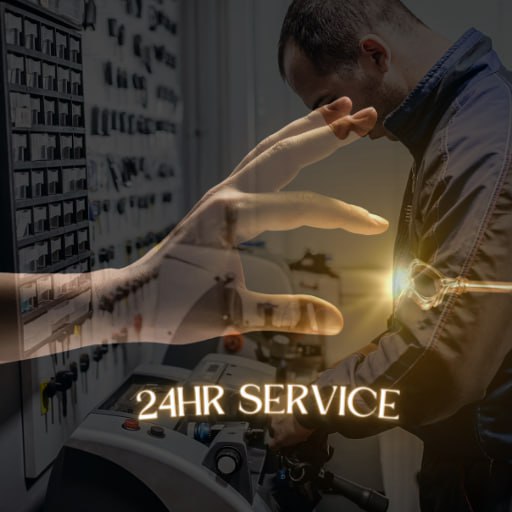
What auto locksmiths actually do at the roadside in winter
From the outside, it looks like magic. A locksmith arrives, spends three minutes at your door, and you are in. The routine, though, is methodical.
First, they diagnose without touching anything. Are the indicator lights flashing when the fob is pressed? If so, the car is receiving. Is the handle trying to move the latch, or is it dead? Is the key blade turning at all? These small cues decide whether to attack the cylinder, the latch, or the electronics. Many winter callouts can be solved without opening up door cards or programming. That is the discipline: the least invasive method wins.
If the cylinder is frozen, a de-icer is introduced via straw, then the key is worked gently. Locksmiths warm the key in a pocket rather than the lock with open flame. Steam from a kettle works in a pinch for seals, not for cylinders. Introduce water to a lock and you may buy ten minutes today, then guarantee tomorrow’s failure. If the latch is the problem, a locksmith will often choose the rear door or boot, which are less exposed. Once inside, they use the interior handle or lock buttons, then treat the latch and seals from the warm side.
If the car remains resolutely shut and the customer cannot wait, non-destructive entry methods come into play. Many cars can be opened via a controlled air wedge and a long-reach tool to access the interior handle or central-locking button. The difference between a hack job and a professional one is subtle. A pro protects the weatherstrip with shields, uses just enough pressure to open a gap, and avoids bending the frame. This matters even more in winter because cold metal is brittle and rubber is less forgiving.
When electronics are at fault, a field programmer can re-sync a fob or clone a transponder. Some manufacturers lock this down, but most allow a locksmith to add a key under secure protocols. In winter, the job that looks like a “frozen car” often turns into “immobilizer lost sync during a low-voltage crank.” Fixing that can save a tow. A good locksmith in Consett knows which models commonly drop pairing after battery disconnection and keeps the right software on a van-mounted tablet.
The risk of doing the wrong thing when your lock is frozen
Most winter damage is self-inflicted. Pulling on a door until the seal tears does more harm than a tow bill. Pouring hot water over a frozen handle feels satisfying, then it refreezes in minutes, now deeper inside the latch cavity. Spraying standard WD-40 inside a cylinder feels proactive, then the vehicle picks up grit and the wafers scratch themselves. Lighting a lighter near a lock invites a call to the fire brigade after the paint blisters.
Locksmiths see the aftermath. I once met a driver near Medomsley who had boiled a kettle twice over the front door of a compact hatchback. The door finally opened. By the time he drove home after a twelve-hour shift, the door would not latch at all. Water had carried into the latch box, refrozen, and blocked the return spring. He drove one-handed, holding the door shut at each roundabout. The repair ended up being a replacement latch, a half-day of labour, and a draughty week waiting for parts. The right move would have been de-icer on the seal, patience, then a slow open, followed by a dab of silicone once the door was warm.
The tools and materials that truly help
Shiny kit draws the eye, but winter lock work is mostly about the basics. A narrow straw de-icer that is alcohol-based will clear ice without leaving residue. A PTFE or dedicated lock lubricant keeps wafers free without attracting dust. Silicone paste or spray, used sparingly, keeps door seals supple and water resistant. A few microfiber cloths do more than you expect. A small rechargeable hand warmer or even a hairdryer on low, used carefully, can warm a latch cavity through the inside trim once you are in.
For auto locksmiths in Consett, the specialized kit lives in the van: decoder picks for common lock families like HU66, HU101, or NE72 that feature on a lot of European vehicles; an air wedge, long-reach tools, door guards; OBD programmers and EEPROM readers for key programming; a selection of key blades and transponder chips; spare fob batteries; trim tools that do not scar brittle winter plastics; and a borescope to look inside door cavities without tearing the car apart in a lay-by.
None of this works without judgment. For example, a decoder pick in a frozen cylinder invites damage. The pro warms and de-ices first. Electronics always run second to mechanical checks because programming around a frozen latch is like reinstalling software on a computer with a broken power button.
Preventive care that pays off in January
The best winter service call is the one that does not happen. You can tilt the odds with maintenance that takes ten minutes here and there.
Clean the lock cylinder if you still use one regularly. A quick shot of electrical contact cleaner or a lock-specific cleaner dislodges grit, followed by a tiny amount of PTFE lube. Keep oils and heavy greases away from lock cylinders. They gum up in the cold. If your car mostly uses keyless entry, still exercise the mechanical lock a few times each month. A dormant cylinder seizes faster in winter.
Treat door seals before the first freeze. A wipe with silicone conditioner keeps rubber pliable. Pay attention to the top edge on frameless doors and the trailing edge where water runs. After a wash, do not let water sit in the door sill pockets. Open and shut the door a few times to shed it before nightfall.
Replace weak key fob batteries at the first hint of reduced range. Cold makes a marginal battery fail. Carry a spare cell in the glovebox. If your car is picky about brand or thickness, note the exact model. Many auto locksmiths in Consett will check and swap one as part of a quick call-out, but you can save yourself the need.
Keep a small de-icer inside the house, not in the car. That way it is warm when you need it. For drivers who park outside overnight, a magnetic cover over the driver’s door lock or a simple plastic film can block freezing rain from entering the cylinder. It looks silly, and it works.
Finally, mind your technique on a frozen morning. Do not yank. Test each door. Often the leeward side is less frozen. If the boot opens, you can enter and unlock from within. Set the car heater to blow warm air toward the door panels for a few minutes before trying again.
How response works when you call an auto locksmith in Consett on a frost-bitten morning
At the peak of a cold snap, the switchboard fills by breakfast. The best operators triage based on risk and feasibility. A parent on a school run with a toddler in the car gets priority over a second vehicle at home. A car blocking a narrow terrace road may jump the queue to keep neighbours friendly. A locked running engine raises alarms quickly, since the car can run out of fuel and lock itself or create safety hazards.
Travel times around Consett vary with the weather and road conditions. A locksmith based near Delves Lane can reach Shotley Bridge in ten minutes when roads are clear, twenty in sleet. Outlying villages like Castleside or Leadgate add a bit more. Most straightforward frozen-lock jobs are resolved on site within fifteen to thirty minutes, assuming the problem is mechanical ice rather than a corroded latch or a failed lock motor.
Pricing in winter follows the same structure as the rest of the year, though emergency evening call-outs on a Sunday cost more. A quick non-destructive entry followed by freeing a latch sits in the lower price band. Replacing a latch or programming a new key rises into the higher band. Most reputable auto locksmiths give a quote range by phone once they know the symptoms and the car model. They also warn if a vehicle is known to be more involved. Certain German saloons and some French hatchbacks route cabling in tight spaces that make winter work fiddly.
When to accept you need a new lock or latch
Even the best attempts to revive a frozen system run into hard limits. If a cylinder has been sprayed with the wrong lubricant for years, the wafer springs may have weakened and the wafers have grooves worn into them. In cold weather they catch, and the cure is a new cylinder keyed to match your existing keys. Mobile auto locksmiths can often recode a new cylinder on the van, but that adds time.
If a latch’s return spring has lost tension or the internal levers have corroded, thawing buys you a day or a week. The next freeze brings you back to the same lay-by. In that case, a replacement latch is the honest path. Think of it like a winter tyre compared to a bald summer one on black ice. Skill helps, but the component still matters.
Electronics bring a similar line. If a fob’s circuit board has cracked solder joints from years of flex, a new battery is just lipstick on the problem. You can sometimes reflow a joint, but it might fail again on the coldest morning of the year. A new fob, properly programmed, prevents the stranded feeling that turns a normal Tuesday into a crisis.
A few real-world scenarios and what solved them
An early January call came from a nurse finishing a night shift at Shotley Bridge Hospital. Her small hatchback unlocked on the fob, but the driver’s door would not open, and the rear doors felt glued. The boot did pop. We entered through the boot, folded the rear seats, and reached the interior door handle. The latch was frozen, not the lock cylinder. A warm air blast from the cabin vents onto the inner panel, a small amount of de-icer targeted at the latch via a straw from the inside edge, and the door opened calmly five minutes later. Treating the seals with silicone turned this from a recurring problem into a non-issue.
A delivery driver in Moorside phoned about a van where the key would not turn in the driver’s door at all, and the central locking had packed in after a week of heavy rain. The keyway was full of congealed oil and grit, carried in by well-meaning sprays. One careful cleaning with contact cleaner and a dry lube restored motion, but the real fix was replacing the door loom connector that tested high resistance after salt spray had found it. That visit, though longer, prevented a mid-route lockout when time mattered.
A family in Leadgate had a keyless-start SUV that refused to recognize the key on two consecutive mornings. The fob battery was low, but so was the vehicle battery. A weak vehicle battery can cause modules to behave oddly and drop key recognition. A test showed voltage sagging below 9.6 volts during crank. A fresh vehicle battery, new coin-cell, and a quick re-sync of the fob removed the problem entirely. Winter was the messenger there, not the culprit.
How to choose the right help when you search for auto locksmiths in Consett
You will find plenty of options online, and in winter the first answer often gets the call. A better route is to pick by capability, not by advert size. Look for someone who lists genuine non-destructive entry skills, lock cylinder and latch repairs, and key programming for your make. Ask if they stock parts or can source quickly. In winter, waiting three days for a latch on a common model is a red flag.
Check whether they serve Consett and surrounding villages without long travel surcharges. Ask about typical response times during cold snaps. Good operators are candid about delays. You want honesty more than optimism when you are standing in a car park with numb fingers.
Finally, judge by how they talk about winter problems. If the advice they offer begins with pouring hot water over the door, keep scrolling. If they talk about gentle de-icing, protecting seals, and testing electronics before programming, you are in better hands.
When it is your driveway, and when it is a car park in the dark
Context changes what works. On your driveway, with warm de-icer and a spare half hour, patience and proper products usually win. In a dark retail park after a late shift, safety moves up the list. If your keys are locked inside a running car or you are in an exposed spot, your best call is a professional who can gain entry fast and cleanly. Auto locksmiths in Consett carry ID, insurance, and the right documentation to satisfy police if someone questions a late-night door opening. That matters more in a winter evening when people are on edge and visibility is poor.
There is also the human factor. Cold makes us clumsy and impatient. A job that is easy with warm hands becomes risky when you cannot feel your fingertips. Gloves with enough dexterity to handle a key and a can help. Keeping your phone charged matters, not just for the call, but for light. A small torch in the glovebox, if you can reach it, saves time and avoids damage. Think of winter car care as part of your personal winter kit, alongside the scraper and the blanket.
The steady value behind the emergency
Winter magnifies any weaknesses in a car’s locks and latches, but it also reveals the value of proper maintenance and skilled help. Auto locksmiths in Consett operate in that thin slice of the world where the practical meets the urgent. They see the patterns, the models that freeze more than others, the way a week of slush sets up a Saturday of seized cylinders. They bring remedies that last beyond the thaw.
The next time frost tapes your doors shut, remember that most problems are mechanical and predictable. auto locksmiths consett A cylinder needs to be clean and dry, a latch needs to move freely, electronics need voltage and a clear handshake. Work with those realities, and you will spend winter on the move instead of at the curb. And when the problem exceeds a can and a cloth, the right locksmith gets you back behind the wheel without leaving scars that show up in the spring sunlight.